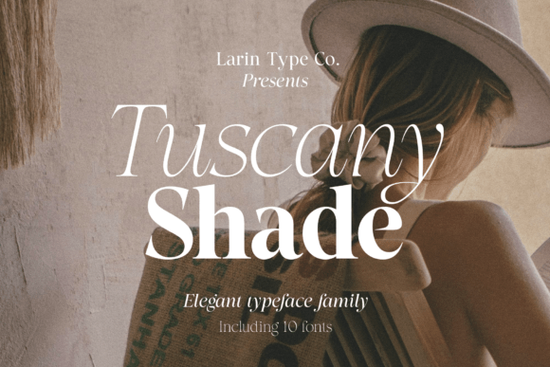
If you're looking for a serif font that feels both timeless and fresh something that works just as well on a boutique clothing tag as it does on a magazine cover you’ll likely appreciate Tuscany Shade Font. It’s not overly ornate, but it carries quiet confidence: clean lines, subtle contrast between thick and thin strokes, and a rhythm that makes reading effortless. Whether you’re designing for print-on-demand products, hand-lettering a small-batch greeting card, or building a brand identity for your handmade soap line, this font family fits without shouting.
What makes Tuscany Shade different from other serif fonts?
Unlike many classic serifs that lean either too traditional (think Times New Roman) or too decorative (like some script-based display fonts), Tuscany Shade strikes a practical middle ground. It’s built with real-world use in mind not just aesthetics. Each style Regular and True Italic comes in five weights: Extra Light, Light, Regular, Medium, and Bold. That means you can pair a delicate Extra Light headline with a sturdy Bold subhead, all within the same family, without visual friction.
The True Italic isn’t a slanted version of the Regular it’s drawn by hand, with its own distinct letterforms and flow. That attention matters when you’re setting body text in a newsletter or styling a product description on Etsy. You’ll also notice generous spacing and open counters (the enclosed spaces inside letters like ‘a’, ‘e’, or ‘o’), which helps readability at smaller sizes especially useful for packaging labels or social media graphics.
Where does it work best?
Because it’s versatile yet distinctive, Tuscany Shade shines in contexts where clarity and character matter equally:
- Fashion and lifestyle branding logos, lookbook headings, hang tags, and Instagram story text overlays
- Print-on-demand projects tote bags, mugs, journals, and art prints where serif elegance adds quiet sophistication
- Publishing and editorial design book covers, chapter titles, and magazine spreads (especially lifestyle, wellness, or slow-living themes)
- Small business materials business cards, thank-you notes, seasonal banners, and email headers
It’s not meant for ultra-narrow technical documents or fast-paced UI interfaces but that’s fine. Not every font needs to do everything. What matters is that it does its job well where it’s needed.
How does it compare to similar serif fonts?
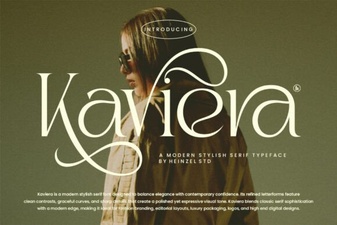
If you’ve used Kaviera Font, you’ll recognize its warmth and organic flow but Tuscany Shade feels more structured and slightly more refined, especially in heavier weights. Compared to The Lancher Shine Font, which leans into vintage charm with slight irregularities, Tuscany Shade offers cleaner geometry and tighter consistency across weights making it easier to scale across formats without losing balance.
You might also like Tuscany Shade Font if you value true typographic flexibility: full language support (including Latin Extended-A), OpenType features like ligatures and alternate characters, and clean vector outlines that stay crisp whether you’re printing at 300 DPI or exporting for web use.
Practical tips for using it well
Start simple. Try pairing Tuscany Shade Regular Light with Tuscany Shade Bold for headings and body text no extra fonts needed. Avoid overloading it with heavy effects: drop shadows, extreme tracking, or excessive kerning can dull its natural grace. For crafters working in Cricut Design Space or Silhouette Studio, stick to the OTF files they load reliably and cut cleanly.
If you’re selling POD items, test how the font renders at common sizes: 18–24 pt for t-shirt chest logos, 10–14 pt for product descriptions on mockups, and 36+ pt for banner headlines. Its balanced x-height and generous ascenders/descenders mean it holds up better than many serifs at mid-range sizes.
Ready to try it?
Before downloading, ask yourself:
- Do I need a serif that reads clearly at multiple sizes from tiny packaging text to large-format wall art?
- Am I working on a project where tone matters as much as function? (e.g., a wedding invitation suite, artisanal food label, or curated online shop)
- Do I prefer fonts with consistent weight progression and true italics not just obliques?
If you answered yes to two or more, Tuscany Shade Font is worth testing alongside your current go-tos. It’s not flashy but it’s dependable, quietly expressive, and built to last beyond seasonal trends.
Explore Design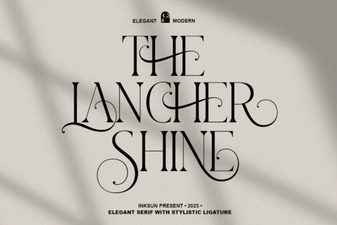 Unlock Design Ideas with Lancher Shine Font
 Kaviera Font: Creative Design & Project Ideas
 Preppy Berry Font Designs & Project Ideas
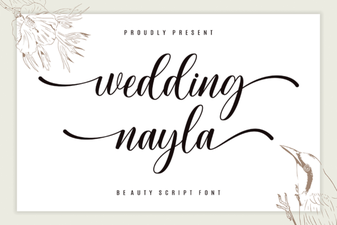 Wedding Nayla Font Ideas & Design Tips
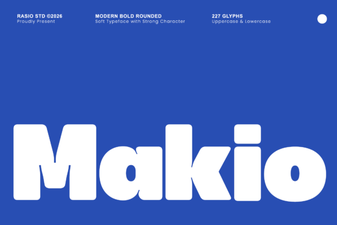 Makio Font: Elegant Geometric Design for Modern Projects
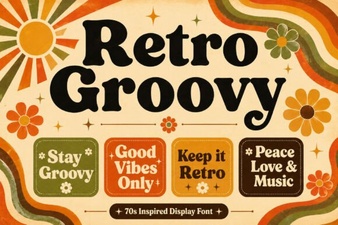 Retro Groovy Fonts for Creative Design Projects