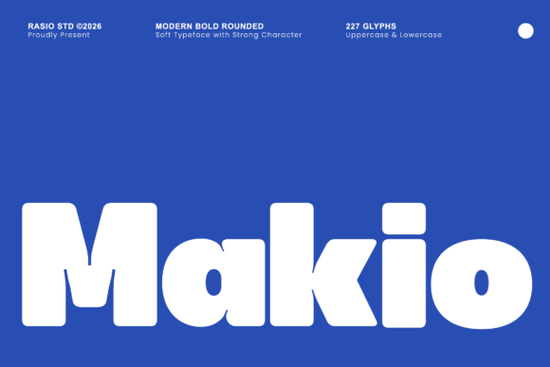
If you're looking for a bold, friendly sans-serif font that holds up beautifully on everything from t-shirt prints to app interfaces, Makio Font is worth your attention. It’s not just heavy it’s thoughtfully rounded, with soft but confident shapes that avoid looking cartoonish or overly technical. Designers and small business owners especially appreciate how it balances approachability and authority without needing extra effects or outlines.
What makes Makio different from other bold display fonts?
Most heavy sans-serifs rely on sharp corners or tight spacing to feel modern but Makio takes a gentler route. Its letters have pillowed corners, thick vertical strokes, and smooth junctions where characters meet. That means no visual “snags” when letters like “n,” “m,” or “h” sit next to each other. The generous x-height also helps readability at smaller sizes unusual for a display font and keeps text blocks feeling solid, not top-heavy.
Compare it to something like Metha Font, which leans into clean geometry and subtle contrast. Makio is rounder, bolder, and more tactile like a friendly handshake in type form. It’s the kind of font you’d choose when you want your headline to land clearly, warmly, and memorably not just loudly.
Where does Makio work best in real projects?
You’ll see Makio shine where clarity and character matter most:
- Streetwear branding logos, chest prints, and taglines that need presence without aggression
- Tech startup visuals app buttons, landing page headers, and pitch deck titles that feel current but not cold
- Food & beverage packaging jar labels, coffee bags, or juice cartons where friendliness supports flavor
- Social media graphics Instagram story text, TikTok overlays, or Pinterest banners that must grab attention in under two seconds
- Retro-futuristic posters movie-style event flyers or band promos that nod to the 80s or 90s without leaning into kitsch
It’s also a strong companion to simpler body fonts pair it with a neutral sans like Inter or Open Sans for balance. And because it’s optimized with clean outer edges and consistent stroke weight, it scales well across formats: embroidery digitizing, vinyl cutting, screen printing, and web use all hold up nicely.
How do designers actually use Makio in day-to-day work?
One craft seller told us they switched from a generic bold font to Makio for their Etsy shop banner and saw a 20% lift in click-throughs on Instagram Stories linking to new product drops. Another small café owner used it for their seasonal menu board (printed on matte laminate) and got multiple compliments on how “easy to read from across the room” it felt even with morning light glare.
For print-on-demand sellers, Makio works reliably across platforms like Printful and Gelato. Its tight letterfit means fewer awkward line breaks in short phrases (“Limited Edition,” “New Drop,” “Vegan Friendly”), and its lack of fine serifs or thin terminals reduces risk of ink spread or pixelation at lower resolutions.
Is Makio flexible enough for more than headlines?
Yes but with limits. It’s designed as a display font, so using it for long paragraphs or tiny captions (under 14pt) isn’t ideal. That said, many users find success with short subheads, price tags, ingredient lists, or even monogrammed initials on tote bags. Just keep an eye on spacing: tracking may need a slight nudge (+10–20 units) in design apps like Canva or Illustrator for tighter lines.
If you often alternate between bold display and clean body fonts, consider browsing our Metha Font collection too it shares Makio’s modern sensibility but offers more versatility for mixed-layout projects.
A quick checklist before you download
- ✅ You need a friendly-yet-bold font for logos, posters, or social graphics
- ✅ Your project involves physical print (t-shirts, stickers, packaging) or digital interfaces
- ✅ You value clean outlines and consistent weight no unexpected thin spots or jagged joins
- ✅ You’re okay using it primarily for short text (not body copy)
- ✅ You’ve checked the license for your intended use (e.g., commercial resale, client work, POD)
Try pairing Makio with muted pastels or high-contrast duotones it holds up beautifully against both. And if you’re still deciding, open a blank document, type “Summer Sale” or “Handmade With Love,” and test it side-by-side with a default system font. The difference in warmth and weight usually becomes obvious within seconds.
Download Now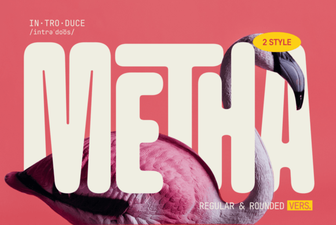 The Metha Font: Modern Design for Creative Projects
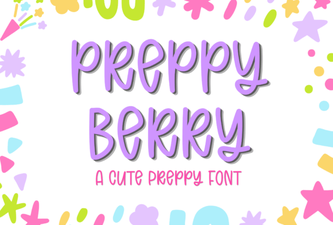 Preppy Berry Font Designs & Project Ideas
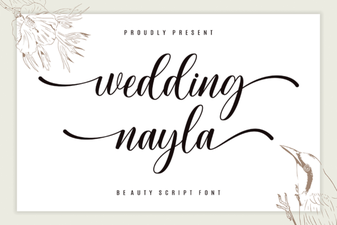 Wedding Nayla Font Ideas & Design Tips
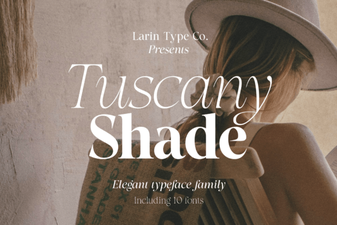 Tuscany Shade: a Versatile Font for Creative Designs
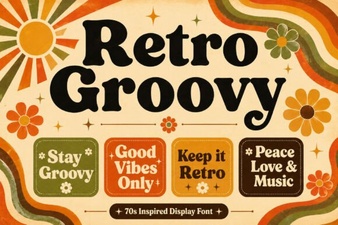 Retro Groovy Fonts for Creative Design Projects
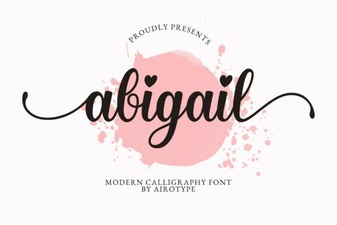 Modern Typography Projects Using Abigail Font